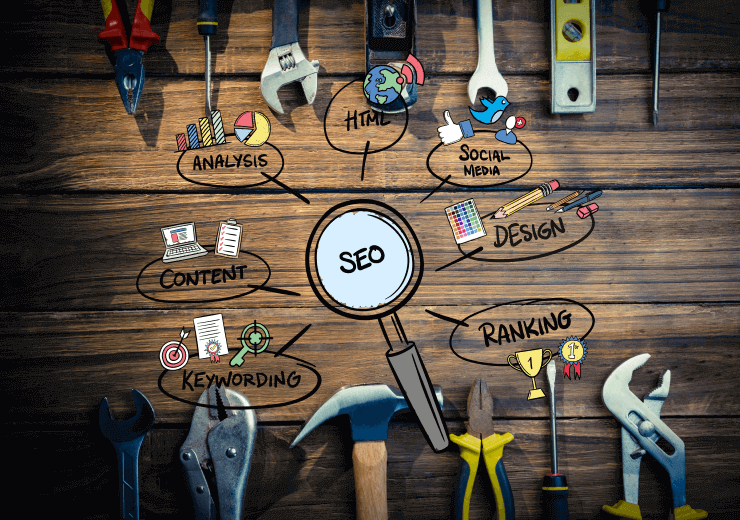

Digital marketing has become an indispensable part of modern business growth, offering countless opportunities for brands to reach global audiences, attract customers, and achieve measurable results. As traditional marketing methods become less effective and more expensive, digital marketing provides flexible, data-driven, and cost-efficient solutions to help businesses expand their reach.
One of the greatest strengths of digital marketing is its ability to target specific audiences. Unlike traditional advertising, which reaches broad groups, digital campaigns allow businesses to tailor their messaging based on demographics, interests, locations, and consumer behavior. This ensures that marketing efforts reach people who are genuinely interested in the products or services being offered. As a result, businesses experience higher engagement, better leads, and stronger conversion rates.
Digital marketing also offers measurable results through detailed analytics. Businesses can track website traffic, click-through rates, conversions, and user behavior in real time. This level of transparency allows for continuous improvement and optimization of strategies. It helps businesses understand what works, what doesn’t, and how to allocate budgets effectively. Data-driven decision-making ensures better outcomes and long-term growth.
Another key advantage is the cost-efficiency of digital marketing. Compared to traditional advertising channels like TV or print, digital platforms offer affordable options that can be scaled according to budget. Even small businesses can compete with larger brands by running targeted campaigns on Google, Facebook, Instagram, or LinkedIn. With the right strategy, businesses can achieve significant results without massive investments.
Digital marketing enhances brand visibility across various online platforms. Websites, social media pages, online listings, and email campaigns all contribute to building a strong digital identity. When customers see consistent and engaging content from a business across multiple channels, they begin to recognize and trust the brand. This visibility builds credibility and encourages customer loyalty.
Customer engagement is another crucial aspect of digital marketing. Through social media interactions, email responses, and personalized messages, businesses can communicate directly with their audience. This two-way communication helps in understanding customer needs, solving problems, and building stronger relationships. Engaged customers are more likely to make repeat purchases and recommend the brand to others.
Digital marketing also enables businesses to expand globally. With the internet breaking geographical barriers, even small businesses can reach international audiences without additional physical infrastructure. This opens new markets, increases brand exposure, and unlocks opportunities for rapid expansion.
As consumer behavior continues to shift toward digital platforms, businesses that fail to adopt digital marketing risk falling behind. To remain competitive, companies must embrace online strategies that engage customers, build trust, and drive growth. Digital marketing is no longer just an option—it is a vital engine for business expansion and long-term success.